
Many traders confuse buying these rights with the binding obligations of selling them, leading to miscalculated breakevens and wiped accounts. If you try to trade these instruments inside a funded account without understanding how they are actually priced, you risk breaching daily drawdowns fast. This guide covers contract mechanics, buyer-versus-seller risk asymmetry, and exactly how prop firms treat options.

Call Option vs. Put Option: Key Differences, Payoffs, and Prop Trading Rules
On this pageWhat Is the Difference Between a Call Option and a Put Option?
- What Is the Difference Between a Call Option and a Put Option?
- Call Option vs. Put Option: Side-by-Side Comparison
- How Call Options Work (With a Worked Example)
- How Put Options Work (With a Worked Example)
- Buyers vs. Sellers and Moneyness: Where Risk Actually Lives
- Call Option or Put Option in Prop Trading: What Funded Traders Need to Know
- 3 Common Mistakes Traders Make With Calls and Puts
- Conclusion
- FAQ
Direct Answer
A call option gives the buyer the right to buy an asset at a fixed strike price before expiration; a put gives the right to sell it. Buyers risk at most 100% of the premium, while sellers carry binding obligations and larger downside. In prop trading, daily drawdown rules can breach an account even when contract risk is defined.
What Is the Difference Between a Call Option and a Put Option?
The core difference between a call option and a put option is the direction of the contractual right: a call lets the buyer buy an asset at a set price, while a put lets the buyer sell it at that price. To properly grasp the difference between call option and put option contracts, you have to break down the four building blocks they both share.
Every standard option contract is built on these components:
- Underlying asset: The financial instrument the contract is based on, such as a stock, ETF, index, or futures contract.
- Strike price: The fixed price at which a call buyer can buy the asset, or a put buyer can sell it. Setting this strike price determines how likely the contract is to hold value at expiration.
- Expiration date: The exact date the contract expires. American-style options can be exercised at any time before expiration, while European-style options can only be exercised on the expiration date itself.
- Premium and contract multiplier: The premium is the per-share cost of the option. Standard US equity options represent 100 shares per contract, meaning a $2.00 premium costs $200 total. Futures options multipliers vary by specific exchange contract (for example, E-mini S&P 500 options carry a $50 multiplier).
The primary purpose of a call is speculating on an upward price move. The primary purpose of a put is speculating on a downward price move, or acting as a hedge to protect a portfolio against sudden drops.

Call Option vs. Put Option: Side-by-Side Comparison
While a put option vs. call option comparison reveals mirrored market directions and breakeven math, both sides follow the exact same rules regarding time decay and seller obligations.
| Feature | Call Option | Put Option |
|---|---|---|
| Contract Right (Buyer) | Right to buy the underlying asset | Right to sell the underlying asset |
| Contract Obligation (Seller) | Obligation to sell the asset if assigned | Obligation to buy the asset if assigned |
| Market Outlook | Bullish (anticipating price increase) | Bearish (anticipating price decrease) |
| Breakeven Formula | Strike Price + Premium Paid | Strike Price − Premium Paid |
| Buyer Maximum Loss | 100% of the premium paid | 100% of the premium paid |
| Seller Maximum Loss | Theoretically unlimited (if naked) | Substantial (asset goes to zero) |
| Primary Use Cases | Upside speculation, leverage | Downside speculation, portfolio hedging |
How Call Options Work (With a Worked Example)
Buying a call option only generates a net profit at expiration when the underlying asset rises above the strike price plus the premium you paid. If the asset fails to clear that combined hurdle, you will lose money, even if the price moved in your anticipated direction.
Assume a stock is trading at $100. You buy one call option with a $100 strike price for a $3.00 per-share premium. Because standard equity options cover 100 shares, your total cost is $300 (excluding trading fees). Your breakeven point at expiration is $103.00 ($100 + $3.00).
Here is how the expiration outcomes break down:
- The profit scenario: The stock closes at $108. You have the right to buy shares at $100 that are currently worth $108 in the open market. The contract has $8.00 of intrinsic value ($800 total). Subtract your $300 initial premium, and your net profit is +$500.
- The in-the-money loss trap: The stock closes at $101. The option is officially "in the money" because $101 is higher than the $100 strike. The contract holds $1.00 of intrinsic value ($100 total). However, because you paid $300 to enter the trade, your net result is a −$200 loss: correct direction, losing trade.
- The maximum loss scenario: The stock closes at $100 or lower. The option expires entirely worthless, and you lose 100% of your $300 premium.
If you are on the other side of this trade by selling (writing) the call, you collect the $300 premium upfront. If you already own 100 shares of the stock, this is a "covered call," and the shares cover your obligation to sell, but you still carry the downside risk of owning the stock and give up gains above the strike price. If you do not own the shares, this is a "naked call," meaning if the stock surges to $150, you are still obligated to sell shares at $100, exposing you to theoretically unlimited losses.
How Put Options Work (With a Worked Example)
Buying a put option generates a net profit at expiration when the underlying asset falls below the strike price minus the premium paid, or it offsets losses on a long position you already hold.
Assume the same stock is trading at $100. You buy one put option with a $100 strike price for a $3.00 per-share premium. Your total cost is $300. Your breakeven point at expiration is $97.00 ($100 − $3.00).
Here is how the expiration outcomes break down:
- The profit scenario: The stock plummets to $92. You have the right to sell shares at $100 that are currently only worth $92 in the market. The contract has $8.00 of intrinsic value ($800 total). Subtract your $300 premium, and your net profit is +$500.
- The in-the-money loss trap: The stock drops to $99. The option is "in the money" because the market price is lower than your strike. The contract holds $1.00 of intrinsic value ($100 total). After factoring in your $300 premium cost, your net result is a −$200 loss.
- The maximum loss scenario: The stock closes at $100 or higher. The option expires worthless, and you lose 100% of your $300 premium.
Put options are commonly used as portfolio insurance (protective puts). If a long-term investor holds 100 shares of a stock and fears an impending earnings crash, buying a put can set a floor for the selling price at the strike price until the contract expires, at the cost of the premium. The option seller takes the opposite side: they collect the upfront premium in exchange for the binding obligation to buy those shares at the strike price, taking on substantial risk if the company goes bankrupt.
Buyers vs. Sellers and Moneyness: Where Risk Actually Lives
The sharpest risk divide in options is not between calls and puts, but between option buyers who hold a right with capped premium loss and option sellers who take on a binding obligation with steep downside.
Understanding this dynamic requires looking at moneyness and value. An option is in the money (ITM) if it possesses intrinsic value, meaning a call strike is below the current market price, or a put strike is above it. It is at the money (ATM) if the strike matches the market price, and out of the money (OTM) if it holds zero intrinsic value.
An option's premium is made of intrinsic value plus extrinsic (time) value. Time decay, measured by a metric called Theta, constantly erodes the extrinsic value of an option as expiration approaches. OTM and ATM options consist entirely of extrinsic value, meaning time decay aggressively drives their price toward zero the longer you hold them. This is why most active traders close their option contracts in the open market before expiration to capture remaining premium, rather than holding through expiration and dealing with physical assignment.
Call Option or Put Option in Prop Trading: What Funded Traders Need to Know
Deciding whether to trade a call option or put option inside a prop trading account starts with verifying whether your firm permits listed options at all, and measuring how premium swings affect your drawdown limit.
The reality for most funded traders is that standard retail prop firms offer CFDs or futures rather than listed equity options. The specialized firms that do offer options trading, usually through futures options, often restrict accounts to specific exchanges or enforce Level-1 buy-only rules, preventing you from selling naked calls or puts.
Even if your firm permits long calls and puts, you cannot treat them like a standard retail brokerage account. While your risk on a long option is capped at the premium paid, funded accounts are governed by strict daily loss limits and trailing drawdowns. If you buy a highly volatile call option and its premium drops 40% intraday, that unrealized loss can count against your prop firm's daily drawdown limit. A "defined risk" premium can easily trigger a hard breach and terminate your account long before the expiration date arrives.
Furthermore, many futures prop firms enforce pre-expiration liquidation rules. If you hold an ITM option too close to the expiration cutoff, the firm's risk desk may automatically liquidate your position to avoid the physical assignment of a futures contract, sometimes resulting in a penalty or account failure.
3 Common Mistakes Traders Make With Calls and Puts
Preventable option losses typically stem from ignoring breakeven hurdles, underestimating time decay, or taking on unhedged seller obligations.
- Confusing "in the money" with profitable: The most common mathematical error in options trading is assuming that predicting the right direction guarantees a win. If an option finishes just slightly past the strike price, the intrinsic value is often smaller than the premium you paid to enter the trade, resulting in a net loss.
- Treating cheap OTM contracts as low-risk trades: Traders anchor to the low dollar price of deep OTM options, viewing them as cheap leverage. In reality, these contracts have a remarkably low probability of ever clearing their breakeven point, meaning you face a high chance of losing 100% of your investment to time decay.
- Selling naked calls or puts without assignment planning: Focusing purely on the upfront premium income from selling options overlooks the severe tail risk. Naked calls expose you to theoretically unlimited upside risk, while naked puts require you to buy a plunging asset, both of which can quickly fail a prop firm account due to margin spikes.
Conclusion
A call option grants you the right to buy an asset to capitalize on upward momentum, while a put option grants you the right to sell an asset to profit from downside action or hedge a portfolio. In either case, the buyer's risk is capped at the premium paid, while the seller takes on the binding obligation and the heavy downside. If you plan to use these instruments to pass an evaluation, your strategy is dictated by the firm's specific rulebook regarding daily drawdowns, permitted instruments, and expiration restrictions.
FAQ
Is a call option better or safer than a put option?
Neither a call option nor a put option is inherently better or safer, because both carry identical buyer loss limits and suffer from time decay. Choosing between a call option or put option depends on your market outlook and objective. Calls fit bullish expectations, whereas puts fit bearish bets or hedging an existing position, though put premiums often cost more during volatile sell-offs.
What happens if a call or put option expires in the money vs. out of the money?
If an option expires out of the money, it holds zero intrinsic value, expires worthless, and the buyer loses 100% of the premium paid. If it expires in the money, it settles for cash or triggers share or futures delivery at the strike price. Even when an option finishes in the money, the buyer still loses money if the intrinsic value is smaller than the initial premium.
Can you close a call or put option before the expiration date?
Yes, you can sell a long call or put option back into the open market at any time before expiration to lock in gains or cut losses. Most active options traders close contracts early rather than exercising them, because doing so captures any remaining extrinsic time value and avoids exercise fees or prop firm auto-liquidation cutoffs ahead of expiration.
How does implied volatility affect call and put option prices?
Higher implied volatility increases the extrinsic value of both call and put options because the market expects larger price swings before expiration. Rising implied volatility makes contracts more expensive for buyers and increases the premium collected by sellers. Conversely, a sudden drop in implied volatility after a major news event can reduce an option's value even if the underlying asset moves in your favor.
What is the difference between American-style and European-style options?
American-style options allow the buyer to exercise the contract at any time up to and including the expiration date, which is standard for most individual stock and ETF options. European-style options can only be exercised on the expiration date itself and typically settle in cash, which is common for broad market index contracts. Both styles can still be closed early in the open market.
Disclaimer
This guide was written with AI assistance, reviewed for accuracy by the Proptary editorial team, and kept up to date. It’s for education only, not financial advice. Prop trading and the derivatives markets carry a significant risk of loss, and past performance is not a guarantee of future results. Consider your own situation and consult a licensed advisor before you trade.
PT
Proptary Team
Firm reviews, rule explainers, payout verification
Proptary editorial team independently reviews prop trading firms, verifies payouts, and explains the rules that decide who keeps an account. We disclose affiliate relationships and publish methodology for every score.
Related articles

What Is a Fair Value Gap? How to Trade It Without Blowing Your Funded Account
Learn how a fair value gap works and how to trade imbalances safely in funded accounts. Read the full guide.
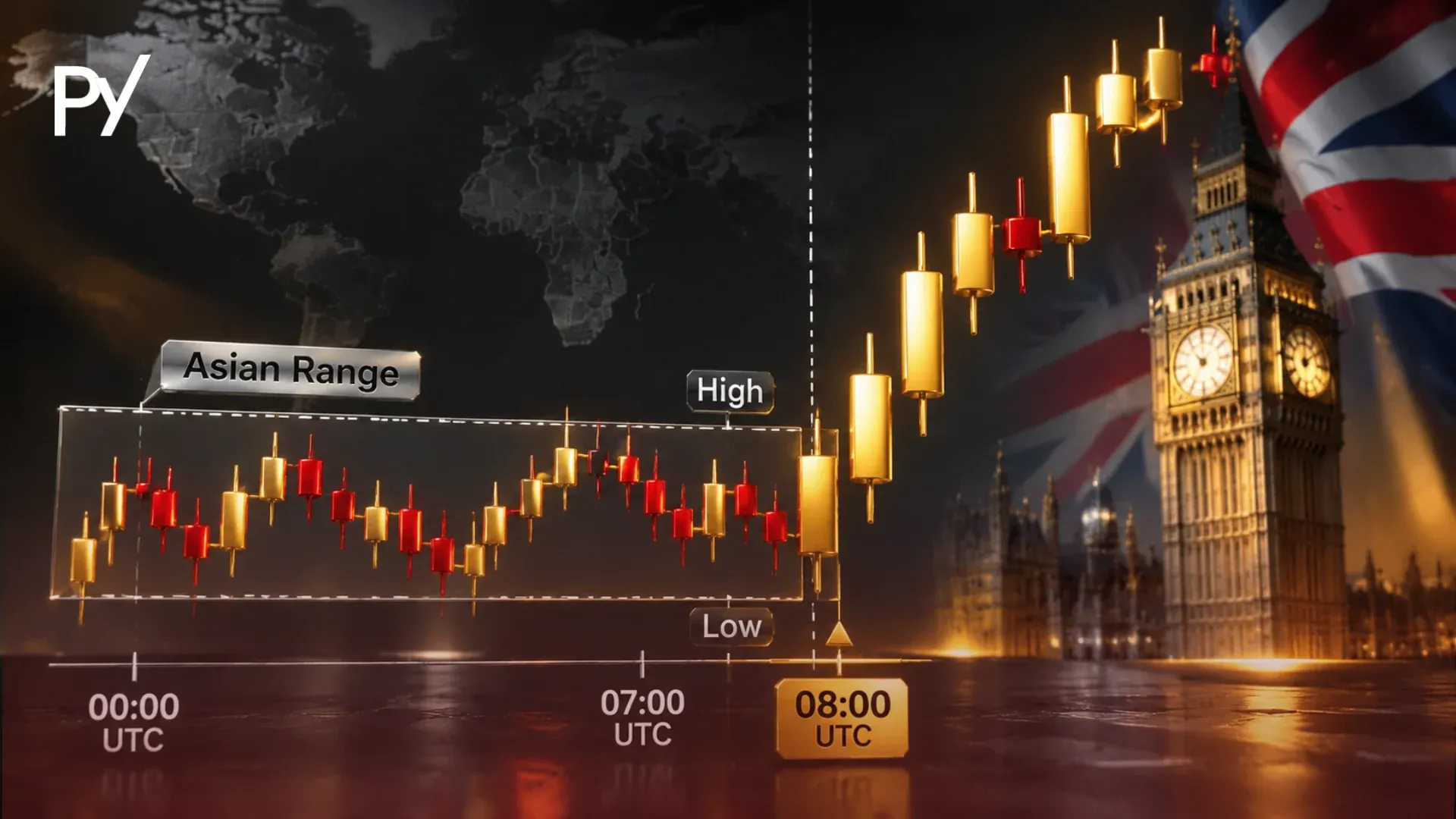
The London Breakout Strategy: How to Trade the European Open
Learn the london breakout strategy to trade the European open and protect prop drawdown. Read the full guide.
Stochastic Oscillator Strategy: How Funded Traders Time Pullbacks While Managing Drawdown Risk
Learn how a stochastic oscillator strategy helps funded traders time pullbacks safely. Read the full guide.