
Why the Jackson Hole Speech Is a High-Risk Window for Funded Accounts
The Jackson Hole Fed meeting is an annual economic policy symposium hosted by the Federal Reserve Bank of Kansas City in Jackson Hole, Wyoming. It brings together global central bankers to signal future monetary policy, inflation targets, and interest rate direction.
For funded traders, these high-impact keynote speeches generate sudden price swings, massive spread expansion, and extreme order execution slippage. Opening trades or holding positions during these speeches can trigger instant drawdown violations — breaching the firm's maximum allowed loss threshold — before your stop-loss order fills. This guide breaks down the execution hazards, news blackout restrictions, and risk controls required to protect your evaluation and funded capital during central bank volatility.
What Is the Jackson Hole Fed Meeting?
The Jackson Hole Fed meeting—officially titled the Jackson Hole Economic Symposium—is an annual three-day central banking conference hosted every August by the Federal Reserve Bank of Kansas City at Jackson Lake Lodge in Grand Teton National Park, Wyoming.
While technically an academic conference, the Jackson Hole symposium serves as the primary stage where the Federal Reserve Chair and international central bank governors outline major policy shifts, inflation targets, and economic outlooks. Financial markets pay close attention to the Fed Chair's keynote address, as subtle adjustments in tone regarding rate hikes, rate cuts, or balance sheet policy frequently set the directional trend for global markets for months following the event.
How Central Bank Speeches Drive High-Impact Market Volatility
Central bank speeches drive intense market volatility by instantly resetting global interest rate expectations in real time.
When monetary policymakers deliver keynote addresses at Jackson Hole, institutional participants re-evaluate yield expectations across asset classes. A "hawkish" speech—signaling higher interest rates or persistent inflation concerns—typically drives a surge in the US Dollar (USD) and Treasury yields while pressuring stock indices and commodities. Conversely, a "dovish" speech—hinting at rate cuts or monetary easing—sparks USD weakness and sparks rallies in stock futures and gold.
The primary assets impacted during the event include:
- USD Currency Pairs: Major forex pairs such as EUR/USD, GBP/USD, and USD/JPY experience rapid multi-pip swings within seconds of headlines hitting news feeds.
- Precious Metals: Gold (XAU/USD) reacts aggressively to shifting real yield expectations and dollar volatility.
- US Stock Indices: Futures contracts for the S&P 500, Nasdaq 100, and Dow Jones Industrial Average undergo sharp breakout moves or rapid whipsaws during live speeches and Q&A sessions.
Prop Firm News Rules and Execution Hazards
Trading during central bank speeches exposes prop capital to extreme liquidity gaps that turn standard risk management parameters into account-ending violations.
When high-impact economic headlines break, institutional liquidity providers temporarily pull order depth from the market to shield themselves from toxic flow. This sudden withdrawal of liquidity creates two major execution hazards:
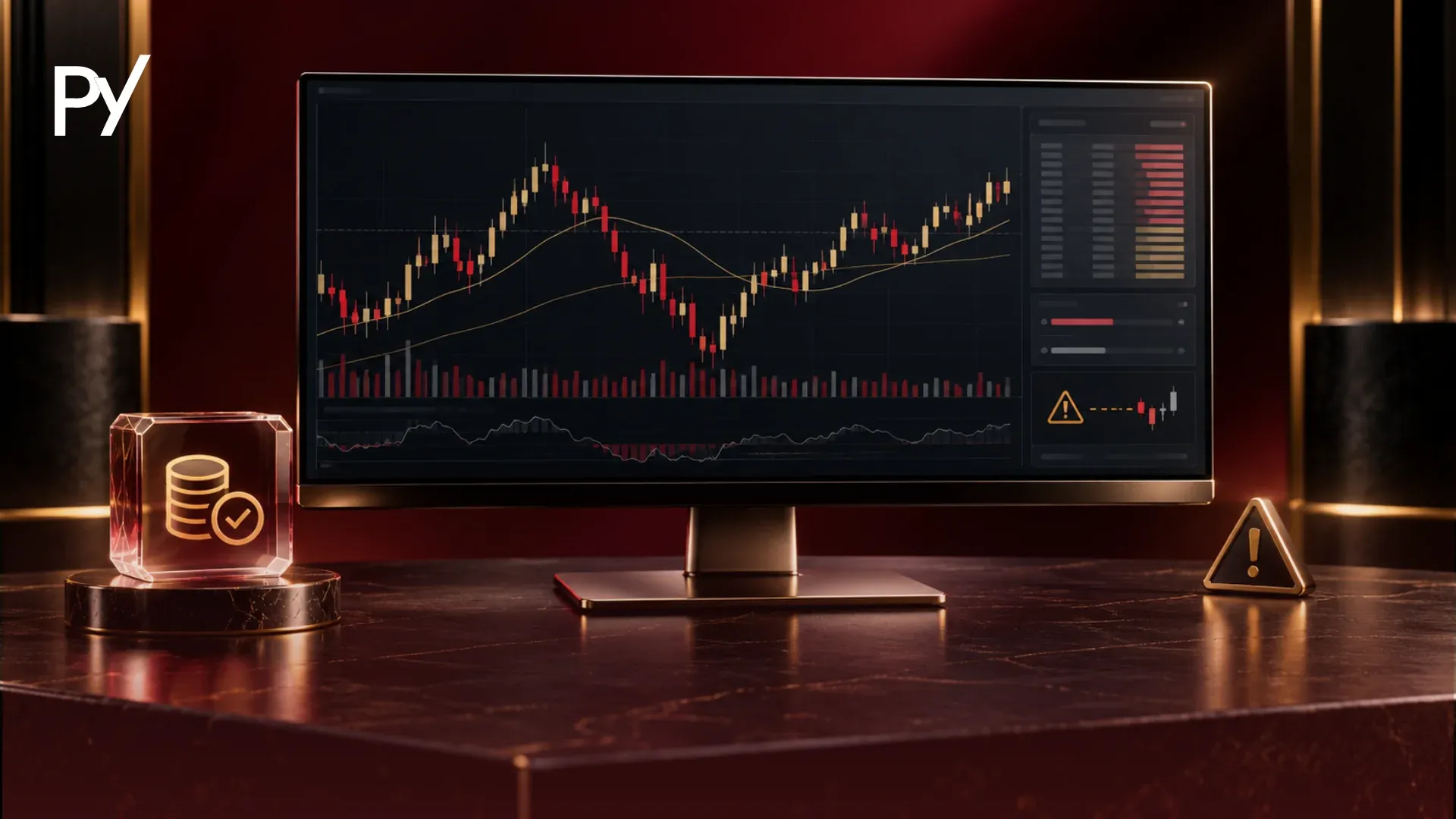
- Spread Expansion: Spreads on major currency pairs and gold can widen by 5x to 10x normal levels in milliseconds. Unusually wide spreads can hit stop-loss orders prematurely or trigger entry orders at unfavorable prices.
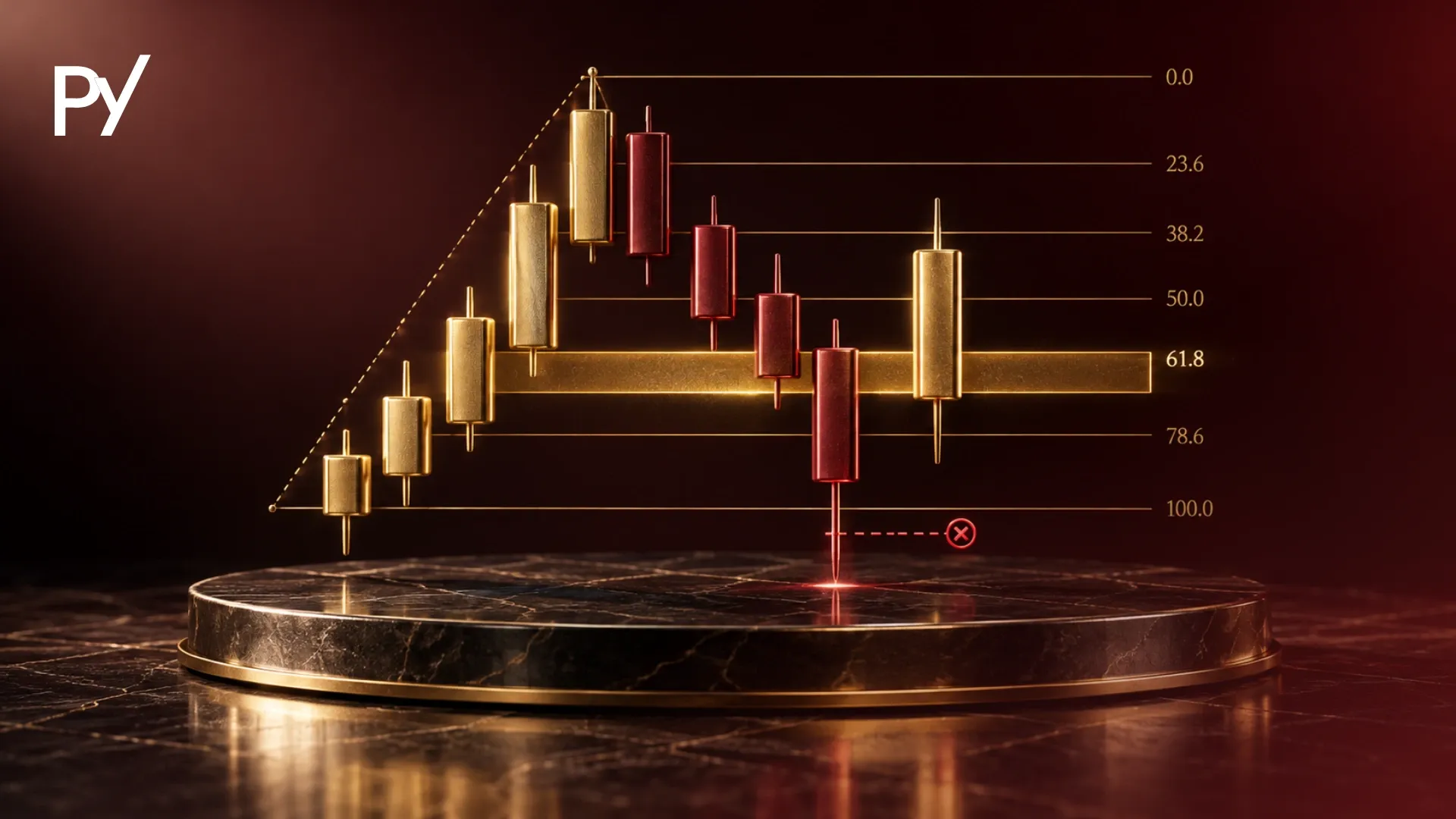
- Execution Slippage: Orders are filled at the next available market price rather than your specified stop-loss level. If price gaps across a 30-pip window during a speech, your trade closes far past your intended risk threshold, easily breaching daily maximum drawdown limits.
To mitigate these risks, evaluation models and funded account agreements mandate strict prop firm rules regarding high-impact news releases. Many firms enforce a mandatory news blackout window—prohibiting trade executions, order modifications, or closing actions within a specific window (typically 2 to 5 minutes before and after the event).
Prohibited News Tactics
Prop firms enforce strict boundaries separating legitimate market analysis from exploit-based tactics designed to game price feeds during high-impact events.
Because simulated trading platforms cannot replicate live-market order book slippage with 100% precision, risk compliance departments actively monitor and penalize prohibited strategies during major economic releases.
Commonly prohibited tactics include:
- News Straddling: Placing pending buy-stop and sell-stop orders seconds before a speech to capture initial momentum spikes.
- Latency Arbitrage & Tick Scalping: Exploiting short-lived price feed delays between brokers during high-volatility bursts.
- Multi-Account Hedging: Opening opposing long and short positions across separate evaluation accounts immediately prior to the release.
Instead of gambling on initial price spikes, safe risk management involves stepping aside during the official news blackout window. Disciplined prop traders wait 15 to 30 minutes after a speech concludes for initial whipsaws to subside, spread levels to normalize, and sustainable structural trends to establish before entering high-confluence continuation setups.
Conclusion
Trading around central bank events like the Jackson Hole Economic Symposium requires prioritizing account preservation over chasing short-term volatility. Severe spread widening, execution slippage, and strict news blackout rules make trading during live speeches high-risk for prop firm capital. By respecting firm-enforced blackout windows, sizing down positions, and trading post-event structural trends, you protect your funded capital from sudden drawdown breaches.