
If you trade a funded account, a single vertical squeeze can blow past your daily loss limit before your stop-loss order even fills. The same volatility punishes traders who chase the spike late. This guide explains how short squeezes work, which metrics signal squeeze pressure, and which execution traps put funded accounts at risk on both sides.

What Is a Short Squeeze? Meaning, Mechanics, and Funded-Account Risks
On this pageWhat Does a Short Squeeze Mean?
Direct Answer
A short squeeze occurs when an unexpected rally forces short sellers to buy back borrowed shares to limit losses, creating a feedback loop that drives prices sharply higher. It needs a catalyst and heavy buying volume to ignite. For prop traders, squeeze spikes and trading halts can cause severe slippage that breaches drawdown limits.
What Does a Short Squeeze Mean?
In plain English, short squeeze meaning comes down to trapped bearish traders being forced to buy at rising prices. Unlike a standard rally fueled by investors who believe a company or asset is undervalued, a short squeeze is powered by short sellers rushing to exit losing positions before their losses spiral out of control.
To see why that pressure builds so fast, look at how short selling works. When you open a short position, you borrow shares from a broker and immediately sell them on the open market, betting that the price will fall. If the price drops from $100 to $70, you buy the shares back at $70, return them to the lender, and pocket the $30 difference per share minus borrowing fees.
The catch is asymmetric risk. When you buy an asset long, your maximum loss is capped at 100% of your stake because the price cannot fall below zero. When you sell short, there is no ceiling on how high the price can climb, meaning your potential loss is theoretically unlimited.
Think of a short squeeze like a crowded theater with one narrow exit door. As long as everything stays calm, people file out slowly without raising a fuss. If someone yells "fire," everyone sprints for that single exit at the same time, and the cost of getting out jumps for anyone stuck near the back.
How a Short Squeeze Works: Step-by-Step Mechanics
Here is a short squeeze explained step by step: a heavily shorted market absorbs an unexpected positive shock, triggering margin calls and forced buybacks that feed on themselves until short positions are wiped out.
- Heavy short positioning builds: Suppose bearish traders believe a $50 stock is overvalued. You short 100 shares at $50, collecting $5,000 in sale proceeds and posting collateral in your margin account. Across the market, thousands of other traders take the same bearish side.
- An unexpected catalyst hits: Instead of falling, the company releases a surprise earnings beat or buyout offer. The stock gaps up to $75. Your 100-share short position now costs $7,500 to close, leaving you with a $2,500 unrealized loss.
- Margin calls and forced covering trigger: As your losses mount, your broker demands additional collateral to keep the short open. If you can't deposit cash immediately, or if your automated stop-loss triggers, your broker liquidates the position by sending a market buy order at $80, locking in a $3,000 loss.
- The feedback loop peaks and collapses: Your forced buy order removes more liquidity from the order book and pushes the price to $90. That $90 print triggers margin calls for the next wave of short sellers, creating a self-reinforcing spiral. Once the bulk of short sellers have been forced out, that artificial buying demand vanishes, and the price typically drops back toward its underlying fundamental value.
History shows how detached from fundamentals these episodes can become, and how violently they unwind. In October 2008, Porsche disclosed that it held 42.6% of Volkswagen's ordinary shares directly and a further 31.5% through cash-settled options, a combined 74.1%, leaving only a small share of the stock available to trade. Volkswagen's ordinary shares surged from €210.85 on Friday, October 24 to an intraday peak of €1,005 on Tuesday, October 28.
Similarly, in January 2021, GameStop's short interest reached 122.97% of its public float, according to the U.S. Securities and Exchange Commission (SEC) staff report. Heavy retail buying combined with short covering drove the stock from under $20 at the end of 2020 to an intraday high of $483.00 on January 28, 2021, before the price fell back to $40.59 by February 19, 2021. Past squeezes like these illustrate market structure under extreme stress, not a repeatable template for future trades.
Key Metrics That Signal Squeeze Potential
Traders measure squeeze vulnerability using positioning, liquidity, and borrow-cost data, but high readings on these metrics never guarantee a short squeeze on their own. Many heavily shorted companies are genuinely failing businesses whose prices grind lower without ever squeezing. Without a fresh catalyst and sustained buying pressure, crowded shorts can stay profitable for months.
When analysts evaluate whether an asset is structurally vulnerable to a squeeze, they monitor four variables:
- Short interest and short float (%): Total shares currently sold short, expressed either as a raw share count or as a percentage of the tradable public float. Tracking short interest helps you gauge how crowded the bearish side has become: unusually high readings relative to float generally indicate elevated positioning, though U.S. exchange data is reported twice monthly on fixed settlement dates and always lags real-time activity.
- Days to cover (short-interest ratio): Calculated by dividing total short interest by average daily trading volume. If 10 million shares are sold short and the stock trades 2 million shares per day, days to cover equals 5.0, meaning short sellers would theoretically need five full days of average volume to exit if liquidity tightened.
- Cost to borrow and utilization rate: The annualized fee brokers charge short sellers to borrow shares, paired with the percentage of lendable shares currently on loan. When utilization climbs very high and borrow fees spike, existing shorts face rising daily carrying costs that erode their patience.
- Unexpected catalysts and volume surges: Earnings surprises, regulatory approvals, short-supply squeezes in commodities, or sudden multi-fold spikes in trading volume that break technical resistance and force early short exits.
Short Covering vs. Short Squeeze
Short covering is a routine market transaction where a short seller buys back shares to close a trade, whereas a short squeeze is an involuntary, panic-driven chain reaction of forced covering into thin liquidity. Every short squeeze involves short covering, but most short covering happens quietly without triggering a squeeze.
| Feature | Routine Short Covering | Short Squeeze |
|---|---|---|
| Primary Trigger | Taking profits after a drop, or hitting a planned stop-loss | Unexpected bullish catalyst, margin call, or lender share recall |
| Order Urgency | Orderly limit or planned exit orders | Urgent market buy orders executed at any available price |
| Price & Volume Impact | Modest bounce or stabilization on normal volume | Parabolic vertical spike accompanied by extreme volume surges |
| Margin Pressure | Low; trader exits voluntarily within risk limits | Severe; brokers forcibly liquidate under-margined accounts |
| Post-Event Behavior | Price resumes normal trend based on fundamentals | Sharp collapse once forced buying demand disappears |
Why Short Squeezes Matter for Prop Firm Traders
Inside a prop firm account, a short squeeze threatens your capital far faster than it would in an unleveraged personal brokerage account because your margin for error is capped by strict daily loss limits and trailing drawdowns. Even a temporary 3% or 5% adverse spike on a leveraged position can breach a 4% or 5% daily drawdown rule and terminate your account on the spot.
You don't even have to trade physical U.S. equities to get caught in squeeze mechanics. Most retail prop firms offer contracts for difference (CFDs) on stock indices, single stocks, commodities, or exchange-traded futures. While you aren't borrowing physical shares in a simulated CFD or futures environment, your account mirrors the underlying market's price feed, meaning a squeeze in a heavily weighted index component, a commodity like nickel or natural gas, or a high-beta equity still hits your balance with instant price gaps, widened bid-ask spreads, and sudden margin shocks.
Common Short-Squeeze Traps That Blow Funded Accounts
Squeeze environments punish funded traders on both sides of the market, whether you are holding an unhedged short or trying to ride the spike long. Watching out for three specific traps will keep sudden volatility from ending your challenge or funded account:
- Relying on stop-losses through halts and liquidity gaps: When an exchange triggers a volatility trading halt, or when an overnight catalyst gaps an asset higher, your stop-loss order cannot execute while trading is paused. Once trading resumes, your order fills at the next available market price, which can sit well past your firm's maximum daily loss threshold.
- Chasing parabolic spikes late (FOMO and herding): Watching a chart climb vertically tempts traders to jump in long after forced covering is nearly finished. Because squeeze rallies are sustained by temporary forced buybacks rather than lasting institutional demand, late buyers frequently enter right at the top, only to get trapped in a violent post-squeeze reversal with widened spreads and minimal bid liquidity.
- Ignoring spread widening and firm rulebook restrictions: During extreme volatility, liquidity providers widen bid-ask spreads dramatically on equity CFDs, indices, and commodities. Wider spreads immediately push newly opened positions deeper into floating loss, which can trip equity-based trailing drawdowns or violate firm-specific restrictions on trading around high-impact news and exchange halts.
Conclusion
A short squeeze is a liquidity-driven feedback loop where unexpected price gains force short sellers to buy back positions, accelerating a rally far beyond fundamental value before collapsing once forced covering ends. High short interest and days-to-cover metrics reveal crowded bearish positioning, but they never guarantee a squeeze without a catalyst, and in a leveraged funded account, the resulting gaps, spread spikes, and trading halts can breach drawdown rules whether you are short or chasing long.
FAQ
How long does a short squeeze usually last?
A short squeeze typically lasts anywhere from a few hours to several trading days, depending on how quickly short sellers can buy back shares relative to daily trading volume. Stocks with low float and high days-to-cover ratios tend to experience longer, more volatile squeezes. Once forced margin liquidations finish and artificial buying demand disappears, prices usually retrace rapidly toward fundamental levels.
Is a short squeeze bullish or bearish for an asset?
A short squeeze creates a sharp short-term bullish price spike, but it is rarely a consistent signal of long-term bullish value. Because the rally is driven by panicked short covering rather than lasting institutional demand, prices often collapse once short sellers finish exiting. Traders who buy late into a squeeze frequently face steep losses when liquidity dries up.
Is a short squeeze illegal or considered market manipulation?
A short squeeze itself is a legal market event caused by supply, demand, and broker margin rules when bearish traders are forced to close losing positions. However, intentionally spreading false rumors or coordinating deceptive trades to artificially inflate a stock's price constitutes illegal market manipulation. Regulators monitor extreme squeeze episodes closely for fraud and abusive trading practices.
What is the difference between a short squeeze and a gamma squeeze?
A short squeeze happens when short sellers buy back underlying shares to exit losing bearish bets, whereas a gamma squeeze is driven by options market makers buying shares to hedge surging call-option volume. Both mechanics create upward feedback loops, and they sometimes occur together when heavy call buying pushes a heavily shorted stock past key strike prices.
Can a short squeeze happen in commodities, indices, or forex?
Yes, short squeezes can occur in any market where traders hold crowded short positions, including commodity futures, stock indices, and currency pairs. Whenever an unexpected macro shock or supply disruption forces leveraged short sellers to cover at the same time, thin liquidity can produce rapid vertical spikes, widened spreads, and severe slippage across CFD and futures feeds.
Disclaimer
This guide was written with AI assistance, reviewed for accuracy by the Proptary editorial team, and kept up to date. It’s for education only, not financial advice. Prop trading and the derivatives markets carry a significant risk of loss, and past performance is not a guarantee of future results. Consider your own situation and consult a licensed advisor before you trade.
PT
Proptary Team
Firm reviews, rule explainers, payout verification
Proptary editorial team independently reviews prop trading firms, verifies payouts, and explains the rules that decide who keeps an account. We disclose affiliate relationships and publish methodology for every score.
Related articles

What Is a Fair Value Gap? How to Trade It Without Blowing Your Funded Account
Learn how a fair value gap works and how to trade imbalances safely in funded accounts. Read the full guide.
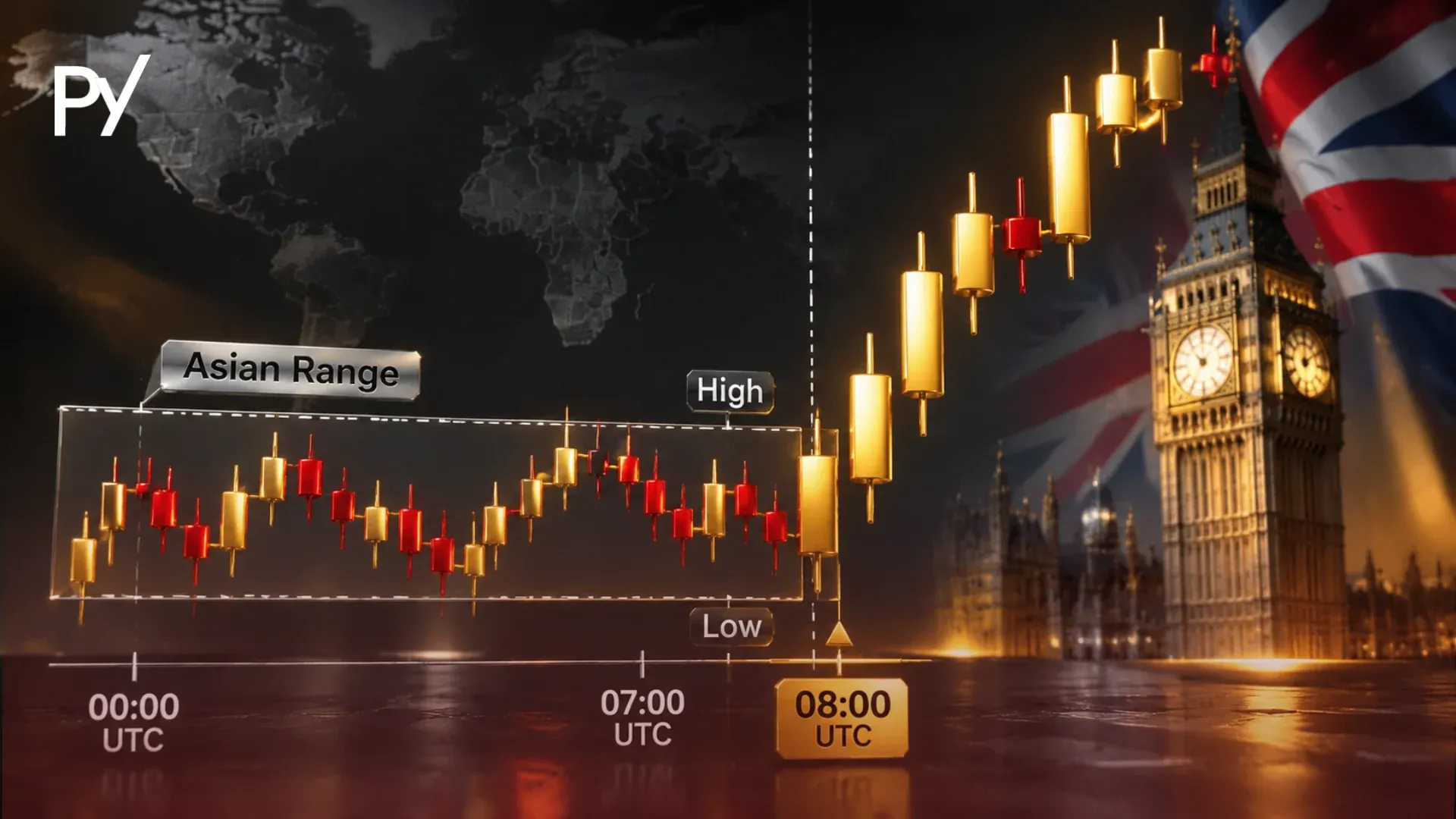
The London Breakout Strategy: How to Trade the European Open
Learn the london breakout strategy to trade the European open and protect prop drawdown. Read the full guide.
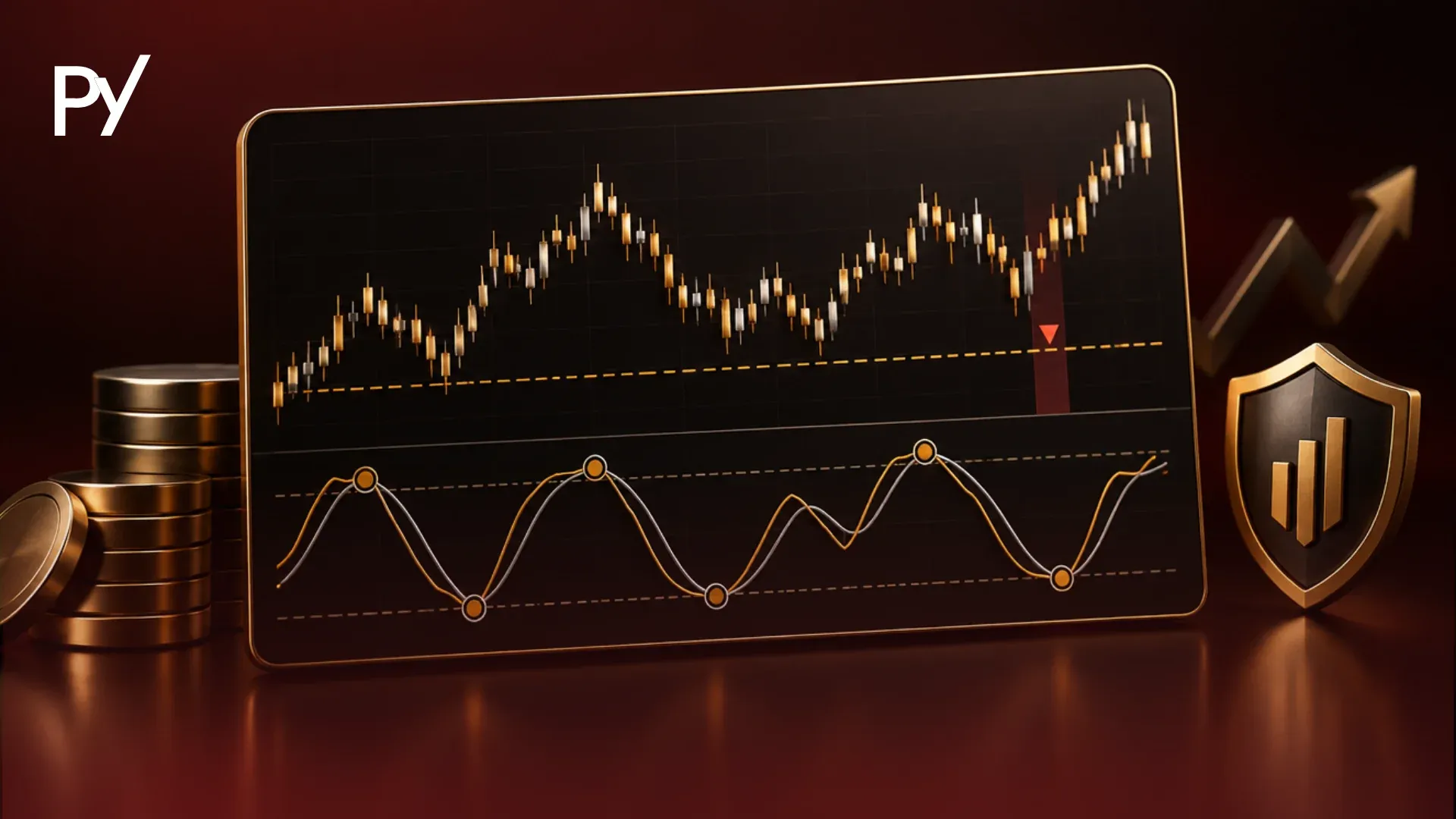
Stochastic Oscillator Strategy: How Funded Traders Time Pullbacks While Managing Drawdown Risk
Learn how a stochastic oscillator strategy helps funded traders time pullbacks safely. Read the full guide.